FRP Cooling Towers in Ludhiana: Benefits, Applications, and Selection Guide
Industrial processes often generate substantial heat that must be removed efficiently to keep equipment operating safely and consistently. Cooling towers play an important role in this process by transferring excess heat from circulating water to the atmosphere. For industries in Ludhiana, where manufacturing and processing operations can require dependable cooling systems, FRP Cooling Towers in Ludhiana offer a practical option. Their corrosion resistance, relatively low maintenance requirements, and durable construction make them suitable for several industrial environments. Before choosing a cooling tower, however, it is important to understand how FRP construction works, where these towers are used, and which specifications matter most.
For faster information, direct chat with us on WhatsApp.
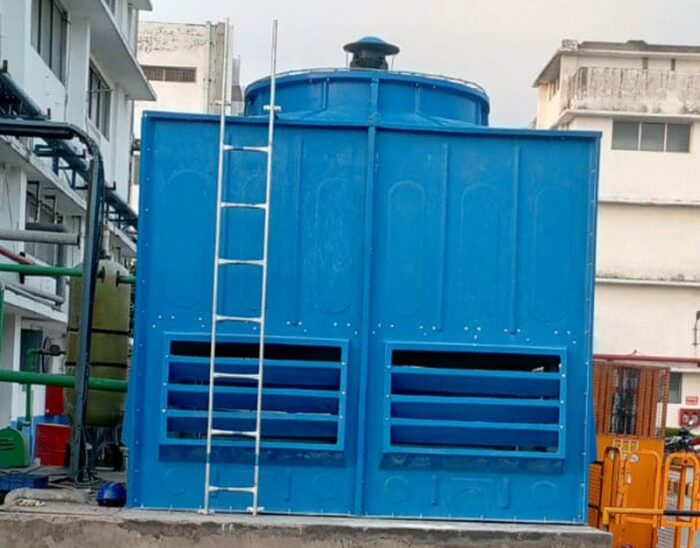
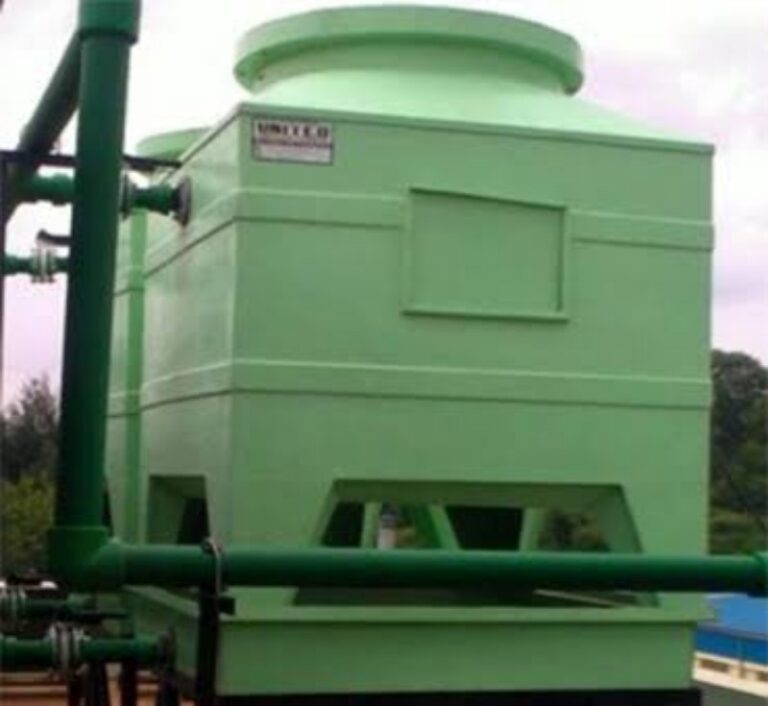
FRP Cooling Towers in Ludhiana are industrial heat-rejection systems made primarily from fibre-reinforced plastic. They are valued for corrosion resistance, durability, lightweight construction, and comparatively easy maintenance. They can be used in manufacturing, plastics, chemical processing, HVAC, and other applications where reliable process-water cooling is required.
What Is an FRP Cooling Tower?
An FRP cooling tower uses fibre-reinforced plastic (FRP) as a major structural material. FRP combines a resin matrix with reinforcing fibres to create a strong and corrosion-resistant material.
Inside the tower, warm process water is distributed over a fill material. Air moves through the tower, allowing a portion of the water to evaporate. This evaporation removes heat, and the cooled water is collected and circulated back to the industrial process.
The actual design can vary depending on the required cooling capacity, airflow arrangement, fan configuration, water flow rate, and operating conditions.
Why Choose FRP Cooling Towers in Ludhiana?
FRP construction provides several characteristics that can be useful in industrial cooling applications.
1. Strong Corrosion Resistance
Industrial environments may expose equipment to moisture, chemicals, salts, and other corrosive elements. FRP generally offers better resistance to many forms of corrosion than conventional metal construction.
This can make it a suitable choice where long-term exposure to moisture or aggressive operating conditions is a concern.
2. Durable Construction
A cooling tower needs to withstand continuous operation, water exposure, temperature variations, and environmental conditions. Properly designed FRP components can provide the structural durability required for demanding applications.
However, actual service life depends on material quality, design, operating conditions, installation, and maintenance.
3. Relatively Low Maintenance
FRP surfaces do not rust like conventional steel. This can reduce certain maintenance concerns associated with corrosion.
Routine inspection is still essential. Components such as fans, motors, nozzles, fills, pumps, drift eliminators, and water-distribution systems need periodic checking.
4. Lightweight Material
FRP is generally lighter than many traditional construction materials. This can make transportation, handling, and installation more convenient, depending on the tower’s size and configuration.
5. Suitable for Different Industrial Requirements
FRP cooling towers can be designed in different capacities and configurations. This allows manufacturers and users to select equipment according to heat load, water circulation requirements, available space, and operating conditions.
Industrial Applications of FRP Cooling Towers
Cooling requirements vary considerably between industries. FRP cooling towers may be used wherever a process requires continuous or periodic heat rejection.
Common applications include:
- Plastic and injection-moulding industries
- Chemical and pharmaceutical manufacturing
- Food and beverage processing
- HVAC and commercial cooling systems
- Power and energy-related applications
- Metal-processing operations
- Machinery and equipment cooling
- Manufacturing plants
- Process industries using recirculating cooling water
For example, plastic-processing equipment can generate significant heat during production. A properly sized cooling tower can help maintain the required water temperature for consistent process operation.
How to Select the Right Cooling Tower
Choosing a tower based only on its physical size or advertised capacity can lead to an unsuitable installation. Several technical factors should be assessed first.
Determine the Heat Load
The first consideration is the amount of heat that needs to be rejected. The required cooling capacity should be calculated from the process conditions rather than estimated casually.
Check Water Flow Requirements
The tower must handle the required circulating-water flow. Insufficient capacity can affect cooling performance, while unnecessarily oversized equipment may increase initial and operating costs.
Consider Temperature Conditions
The hot-water temperature, cold-water temperature, and ambient wet-bulb temperature are important when selecting a cooling tower. These parameters help determine the tower’s required thermal performance.
Evaluate Installation Space
Available space affects the choice of tower configuration, fan arrangement, maintenance access, piping, and airflow requirements. Consider both the installation footprint and sufficient clearance for future servicing.
Review Water Quality
Water containing high mineral content, suspended solids, or biological contaminants can affect tower performance. A suitable water-treatment and maintenance program should therefore be considered alongside the tower itself.
Maintenance Tips for Better Performance
Even a well-designed cooling tower requires regular care. A practical maintenance program should include:
- Inspecting fans, motors, belts, and bearings
- Cleaning or checking water-distribution components
- Examining fill material for scaling or blockage
- Checking drift eliminators
- Monitoring water quality
- Removing accumulated dirt and debris
- Inspecting structural components
- Checking for unusual vibration or noise
- Following the manufacturer‘s recommended maintenance schedule
Regular monitoring can help identify developing problems before they lead to unnecessary downtime or expensive repairs.
What Should You Ask a Cooling Tower Supplier?
Before purchasing an industrial cooling tower, ask the supplier for clear technical information. Important questions include:
- What cooling capacity is recommended for the application?
- What water flow rate can the tower handle?
- Which FRP materials and construction methods are used?
- What fan and motor configuration is provided?
- What operating conditions were considered during sizing?
- What maintenance is required?
- Are spare parts and technical support available?
- Does the proposed design fit the available installation space?
A reliable supplier should be able to understand the process requirement rather than simply recommend a standard model.
5 FAQs
Frequently Asked Questions
What are the main benefits of FRP cooling towers?
FRP cooling towers offer corrosion resistance, durable construction, relatively low maintenance requirements, and lightweight components. These characteristics can be useful in industrial environments where equipment is continuously exposed to water and moisture. Their suitability still depends on the specific process, operating conditions, required capacity, and quality of the tower design.
Which industries use FRP cooling towers?
FRP cooling towers can be used across industries such as plastics, chemicals, pharmaceuticals, food processing, manufacturing, HVAC, and machinery cooling. They are generally considered where recirculating water needs to reject heat from an industrial or commercial process. The required tower capacity and configuration vary according to the application.
How do I choose the right cooling tower for my plant?
Start with the process heat load, circulating-water flow rate, hot- and cold-water temperatures, and local ambient conditions. Installation space, water quality, maintenance access, and operating requirements should also be considered. A qualified cooling tower supplier can use these parameters to recommend an appropriately sized and configured system.
Do FRP cooling towers require regular maintenance?
Yes, regular maintenance is important for reliable cooling performance. Fans, motors, water-distribution systems, fills, drift eliminators, structural components, and water quality should be inspected periodically. Cleaning and water-treatment practices can also help control scale, deposits, and biological growth that may reduce tower efficiency.
Where can I find suitable FRP cooling towers in Ludhiana?
When looking for FRP Cooling Towers in Ludhiana, compare suppliers based on technical expertise, product construction, sizing support, customization options, maintenance guidance, and after-sales service. Instead of selecting equipment based only on price, provide the supplier with your actual process requirements so the tower can be appropriately specified.
Conclusion
Choosing the right cooling system requires more than comparing tower sizes or purchase prices. Heat load, water flow, operating temperatures, installation conditions, water quality, maintenance requirements, and long-term reliability all deserve consideration. FRP Cooling Towers in Ludhiana can be a practical choice for industries seeking corrosion-resistant and durable cooling equipment for different process applications.
The best approach is to first understand your plant’s cooling requirements and then discuss those specifications with Ice Drop Cooling Towers. A properly selected and maintained tower can support stable process cooling while helping avoid preventable operational issues. Before making a purchase, compare the technical design, construction quality, service support, and suitability of the proposed system for your actual application.