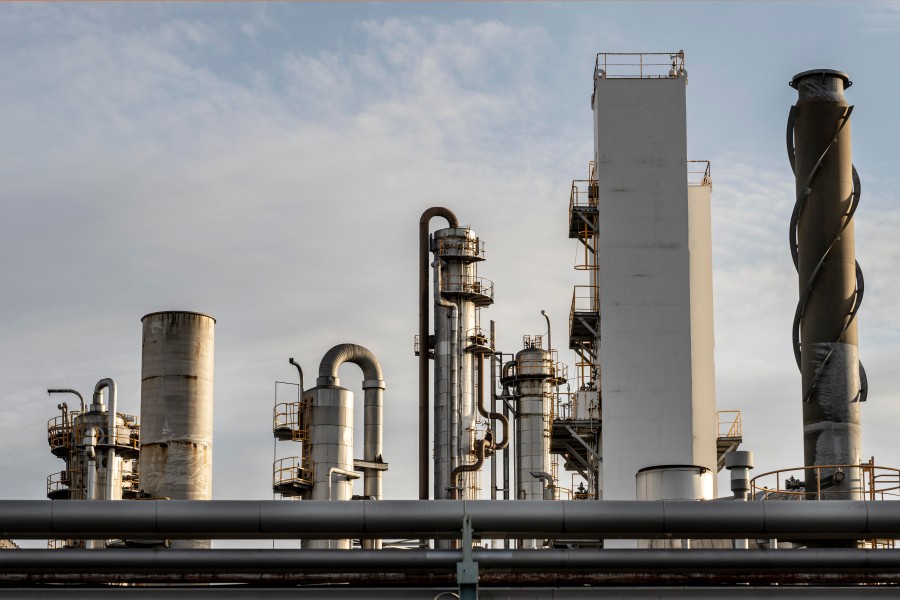
How to Choose the Right FRP Cooling Tower in Sahibabad for Your Industry
Selecting the right cooling tower can directly affect an industrial plant’s cooling efficiency, operating costs, equipment life, and production stability. With several models and configurations available, businesses looking for FRP Cooling Towers in Sahibabad should evaluate more than just cooling capacity. Factors such as heat load, water flow, operating conditions, construction quality, maintenance requirements, and available space all matter. For industries in Sahibabad and nearby industrial areas, a properly selected FRP cooling tower can provide dependable heat rejection while offering corrosion resistance and practical maintenance advantages.
For faster information, direct chat with us on WhatsApp.
The right FRP cooling tower depends on your heat load, circulating water flow, operating temperature, ambient conditions, installation space, and industry requirements. Before purchasing, compare tower capacity, FRP construction quality, fan and motor specifications, water distribution, maintenance needs, energy consumption, and supplier support to ensure reliable long-term cooling performance.
What Is an FRP Cooling Tower?
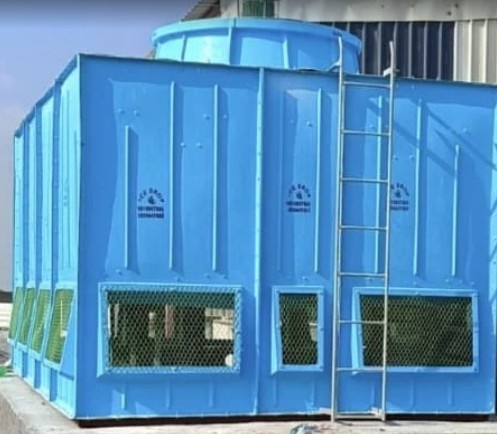
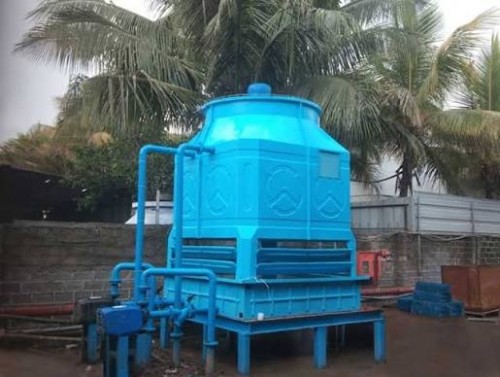
A cooling tower removes unwanted heat from industrial process water. The heated water enters the tower, where it comes into contact with moving air. A portion of the water evaporates, transferring heat to the atmosphere. The cooled water then returns to the industrial process.
FRP stands for Fiber Reinforced Plastic. Manufacturers use reinforced composite materials to construct important tower components because they can offer good resistance to moisture, corrosion, and many industrial environmental conditions.
As a result, FRP cooling towers are commonly considered for applications where conventional construction materials may face corrosion-related challenges.
Why Consider FRP Cooling Towers in Sahibabad?
Sahibabad has a strong industrial presence, with manufacturing and processing businesses operating across different sectors. These facilities can have very different cooling requirements.
For example, a small process line may require a compact tower, while a large manufacturing facility may need a higher-capacity system with greater water circulation.
FRP construction can be particularly useful in demanding environments because it does not rust like conventional steel. However, material quality and manufacturing standards still matter. A tower should be selected according to its complete operating requirements rather than based solely on its FRP construction.
Key Factors to Consider Before Choosing a Cooling Tower
1. Determine the Required Cooling Capacity
Start by calculating the actual heat load that the cooling tower must reject. This depends on factors such as:
- Hot water inlet temperature
- Required cold-water outlet temperature
- Circulating water flow rate
- Ambient wet-bulb temperature
- Process operating conditions
- Desired approach temperature
A tower that is too small may fail to achieve the required cooling temperature. Conversely, selecting an unnecessarily oversized system can increase initial and operating costs.
Therefore, accurate process data should be available before finalizing the equipment.
2. Check Water Flow and Temperature Requirements
The tower must match the plant’s circulating-water system. Review the required flow rate and temperature range carefully.
The temperature range refers to the difference between the hot-water inlet temperature and the cooled-water outlet temperature. The approach represents how closely the cold-water temperature can reach the ambient wet-bulb temperature.
These parameters help determine the appropriate tower design and performance requirements.
3. Evaluate FRP Construction Quality
Not all FRP cooling towers have the same build quality. Ask about the materials, structural design, manufacturing process, and component quality.
A well-designed tower should provide adequate structural strength while maintaining resistance to the operating environment. Pay attention to the casing, fan stack, support structure, access areas, and other exposed components.
The quality of the FRP laminate and resin system also deserves attention because material selection influences durability.
4. Consider Fan and Motor Efficiency
The fan is one of the most important components of a mechanical-draft cooling tower. Its performance affects airflow, cooling capability, noise, and electricity consumption.
When comparing FRP Cooling Towers in Sahibabad, consider:
- Fan diameter and design
- Motor rating
- Airflow requirements
- Drive arrangement
- Operating efficiency
- Maintenance accessibility
The goal is not simply to select the largest motor. Instead, the fan and motor combination should provide the required airflow efficiently under actual operating conditions.
5. Examine the Water Distribution System
Efficient water distribution helps ensure that water reaches the fill material evenly. Poor distribution can create dry areas, reduce heat-transfer efficiency, and negatively affect tower performance.
Look for a suitable spray or distribution system that matches the tower design and water quality. Nozzles should also remain accessible for inspection and cleaning.
Choose the Right Fill Material
Fill material increases the contact area between water and air, supporting evaporation and heat transfer. The appropriate fill depends on the water quality, temperature, suspended solids, and industrial application.
For relatively clean water, certain high-efficiency film fills may be suitable. However, applications with debris or higher suspended solids may require a different configuration to reduce blockage and maintenance problems.
Therefore, never select fill material based only on cooling performance. Consider the quality of the circulating water as well.
Think About Maintenance Before Installation
A cooling tower performs best when operators can inspect and maintain its components easily.
Before purchasing, consider access to:
- Fill media
- Spray nozzles
- Fan and motor
- Drift eliminators
- Water basin
- Make-up water system
- Blowdown arrangements
Routine maintenance can include cleaning, checking water distribution, inspecting mechanical components, monitoring water quality, and addressing scaling or biological growth.
A tower that is easy to maintain can help reduce avoidable downtime.
Match the Tower to Your Industry
Different industries place different demands on cooling systems. FRP cooling towers may be considered for applications involving:
- Plastic processing
- HVAC and commercial facilities
- Chemical processing
- Manufacturing plants
- Power-related applications
- Metal processing
- Food and process industries
- Machinery and equipment cooling
However, application suitability depends on actual process conditions. A supplier should understand the plant’s heat load, water chemistry, operating schedule, and environmental conditions before recommending a model.
Compare Suppliers, Not Just Product Prices
Price is important, but it should not become the only selection criterion. A lower initial price may not represent better value if the equipment has higher energy consumption, difficult maintenance, or limited technical support.
When comparing suppliers, ask about:
- Design calculations
- Cooling performance data
- Material specifications
- Component brands and ratings
- Warranty terms
- Installation support
- Spare-part availability
- After-sales service
For businesses searching for FRP Cooling Towers in Sahibabad, working with an experienced manufacturer or supplier can simplify equipment selection and installation planning.
Common Mistakes to Avoid
Several purchasing mistakes can affect cooling tower performance. Avoid selecting a tower solely by nominal tonnage without checking actual process conditions.
Also, do not ignore ambient wet-bulb temperature, water quality, maintenance access, or future production requirements.
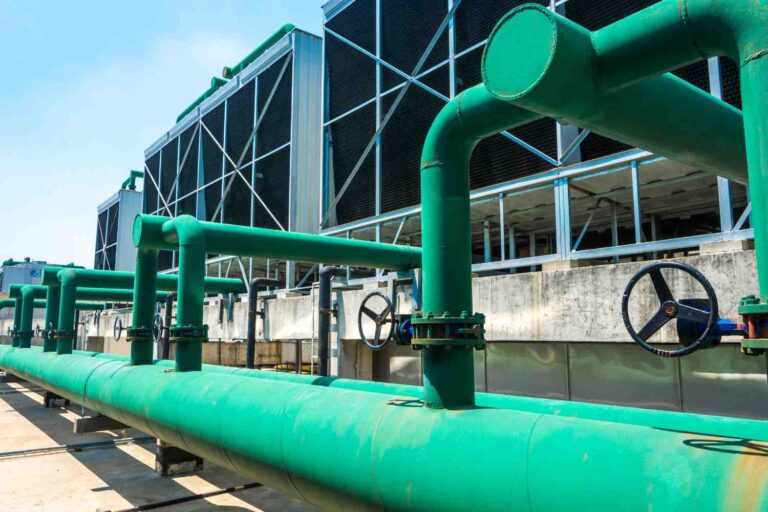
Finally, avoid treating the cooling tower as an isolated component. Pumps, piping, water treatment, controls, and heat exchangers all influence the overall cooling system.
Conclusion
Choosing the right FRP Cooling Towers in Sahibabad requires a practical assessment of your industry’s cooling requirements rather than simply comparing product prices. Heat load, water flow, inlet and outlet temperatures, ambient conditions, FRP construction quality, fill selection, fan efficiency, water distribution, and maintenance access should all influence your decision.
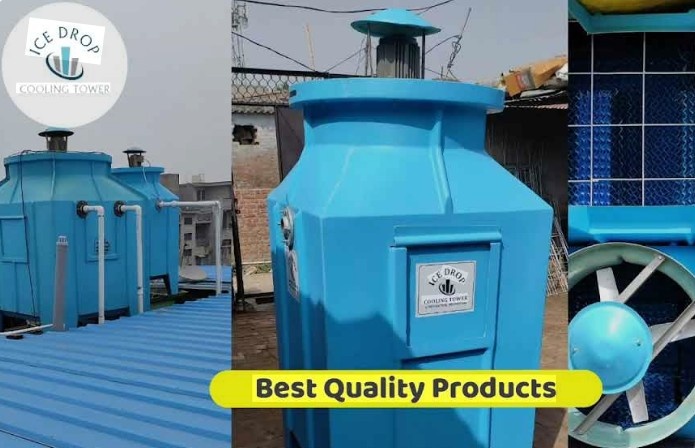
A properly matched cooling tower can support consistent process temperatures and efficient heat rejection over its operating life. Before making a purchase, share accurate operating data with a qualified cooling tower manufacturer or supplier and compare the complete system—not just the tower itself. If you are evaluating cooling solutions for a Sahibabad industrial facility, explore suitable FRP cooling tower options and discuss your specific requirements with Ice Drop Cooling Towers.
For more information, u can visit this IceDrop Cooling Towers.