Cooling Towers in Ludhiana: How to Choose the Right System for Your Industry
Industrial cooling requirements vary significantly from one facility to another. A textile plant, chemical unit, manufacturing facility, HVAC installation, and process industry may all need different cooling capacities and operating configurations. Therefore, choosing the right Cooling Towers in Ludhiana requires more than comparing prices. Factors such as heat load, water quality, operating conditions, material, maintenance requirements, and energy consumption all matter.
For faster information, direct chat with us on WhatsApp.
Choosing Ice Drop Cooling Towers in Ludhiana starts with evaluating your heat load, required cooling capacity, water temperature, ambient conditions, water quality, available space, and operating hours. Industries should also compare tower construction, fan efficiency, maintenance needs, expected service life, and manufacturer support before selecting a cooling tower system.
Why Choosing the Right Cooling Tower Matters
A cooling tower removes unwanted heat from industrial water and releases it into the atmosphere. The cooled water can then return to equipment or processes that require temperature control.
However, an incorrectly sized or poorly selected tower can create operational problems. For example, insufficient cooling capacity may increase process temperatures, while an oversized system can add unnecessary capital and operating costs.
The right system should therefore provide adequate heat rejection while maintaining reasonable water, power, and maintenance costs.
For industries around Ludhiana, seasonal temperature changes also deserve attention. The cooling tower should perform reliably under the site’s actual operating conditions rather than only under ideal conditions.
Key Factors to Consider Before Buying Cooling Towers in Ludhiana
1. Determine the Required Cooling Capacity
Start by identifying the amount of heat that the tower needs to reject. Engineers typically evaluate parameters such as:
- Hot water temperature
- Cold water temperature
- Water circulation rate
- Heat load
- Design wet-bulb temperature
- Required approach temperature
These values help determine the appropriate tower size and configuration.
Avoid selecting a tower solely on the basis of nominal tonnage. The actual process conditions should guide the selection.
2. Understand Your Industrial Application
Different industries place different demands on cooling systems.
Manufacturing facilities may require continuous process cooling, while HVAC applications may have different temperature and flow requirements. Textile, plastic, chemical, pharmaceutical, food-processing, and other industrial operations can also have application-specific requirements.
Consequently, discuss the complete application with the cooling tower manufacturer before finalizing the design.
3. Consider FRP Construction
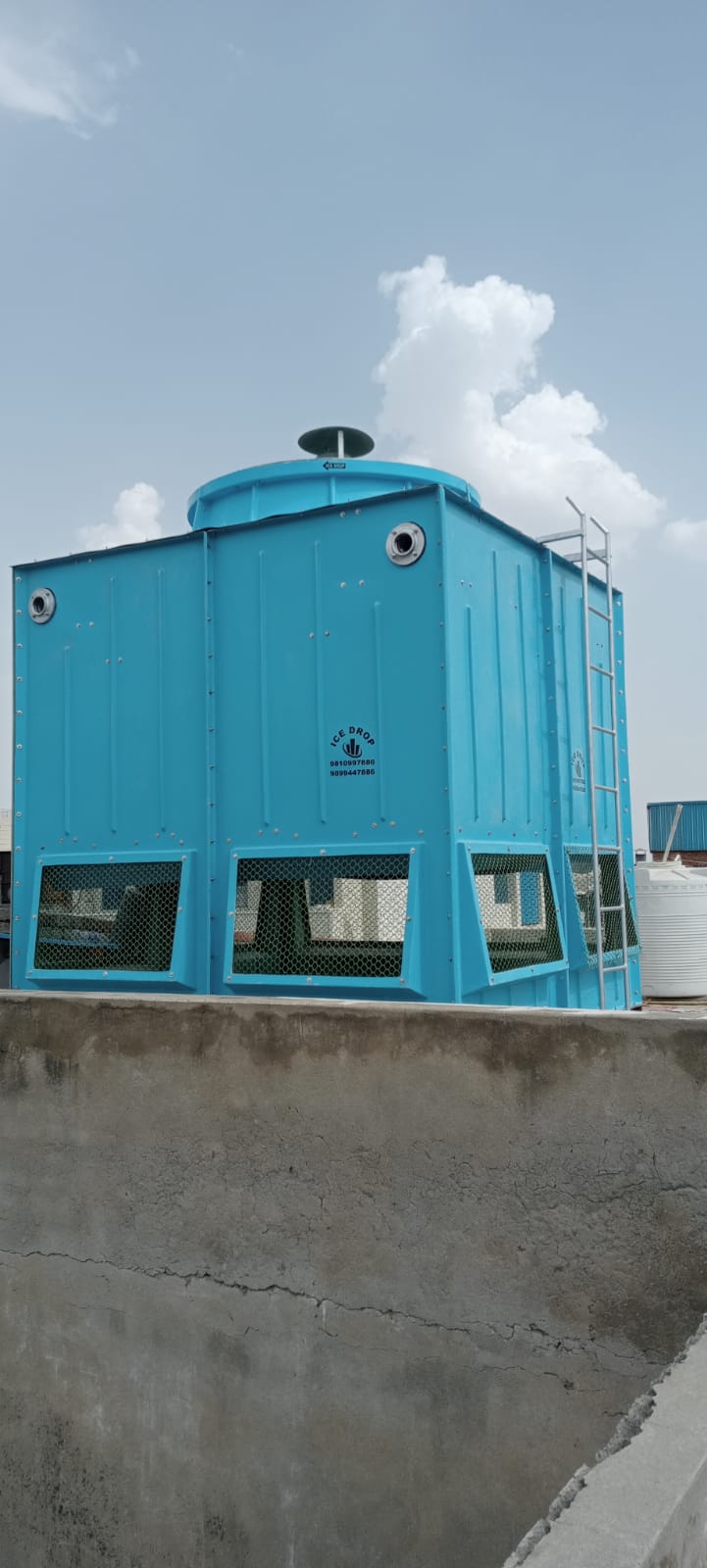
FRP cooling towers are widely considered for industrial applications because fibre-reinforced plastic can provide good resistance to corrosion and moisture-related deterioration.
FRP construction can be particularly useful where the operating environment exposes equipment to moisture, chemicals, or corrosive conditions.
Still, material selection should depend on the site’s environment, water chemistry, temperature, structural requirements, and expected operating conditions.
4. Evaluate Water Quality
Water quality directly affects cooling tower performance and maintenance.
High levels of dissolved minerals can contribute to scale formation. Meanwhile, suspended solids can lead to fouling, and unsuitable water treatment can increase corrosion or biological growth.
Before installation, assess the available water and establish an appropriate water-treatment and maintenance programme. Depending on the application, this may involve filtration, chemical treatment, blowdown control, and regular water testing.
Open-Circuit vs Closed-Circuit Cooling Towers
Understanding the cooling tower configuration can also simplify the selection process.
Open-Circuit Cooling Towers
In an open-circuit tower, process water circulates through the tower and comes into direct contact with air. Evaporation removes heat from the circulating water.
These systems can offer effective heat transfer and are common in many industrial applications.
Closed-Circuit Cooling Systems
Closed-circuit systems keep the process fluid within a closed coil or heat exchanger. A separate water circuit transfers heat to the atmosphere.
This configuration can be useful when maintaining process-fluid cleanliness is important or when the application has specific fluid-handling requirements.
The best option depends on the process, water quality, temperature requirements, contamination concerns, and operating conditions.
Check Fan and Energy Efficiency
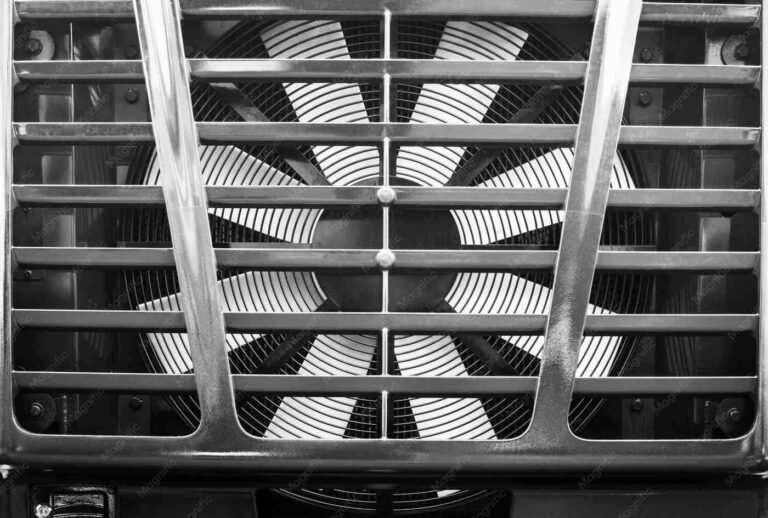
The fan is one of the major energy-consuming components in a mechanical cooling tower. Therefore, fan selection deserves careful attention.
Look at factors such as:
- Fan diameter and operating speed
- Motor efficiency
- Airflow requirements
- Variable-speed control, where appropriate
- Noise considerations
- Ease of maintenance
An efficient fan and properly designed airflow system can help control electricity consumption without compromising cooling performance.
Think About Installation Space and Accessibility
Available space can influence the cooling tower design.
Before ordering equipment, evaluate the foundation, access routes, maintenance clearance, piping arrangement, electrical connections, and airflow around the tower.
A tower may have excellent technical specifications, but poor placement can restrict airflow and make routine servicing difficult.
For facilities in industrial areas of Ludhiana, the installation plan should also account for the surrounding plant layout and future expansion requirements.
Maintenance Should Be Part of the Buying Decision
Cooling tower performance depends heavily on regular maintenance. Therefore, don’t treat maintenance as an afterthought.
A practical maintenance programme may include:
- Inspecting fans, motors, and drives
- Checking fill and drift eliminators
- Cleaning basins and strainers
- Monitoring water quality
- Checking for scale and biological growth
- Inspecting structural components
- Reviewing vibration and unusual noise
- Monitoring operating temperatures
Easy access to components can reduce maintenance downtime. Ask the manufacturer about recommended inspection intervals and availability of replacement components before purchasing.
How to Compare Cooling Tower Manufacturers in Ludhiana
When comparing suppliers, look beyond the initial quotation.
Consider the manufacturer’s:
Technical capability: Can they design the system around your actual process conditions?
Product construction: Are suitable materials and components being used for your application?
Customization: Can the tower accommodate your required flow, temperatures, footprint, and operating conditions?
After-sales support: Is technical assistance available for installation, commissioning, troubleshooting, and maintenance?
Documentation: Are performance data, specifications, drawings, and maintenance instructions provided?
A reliable supplier should be willing to explain why a particular tower configuration suits your application.
Questions to Ask Before Finalizing Your Cooling Tower
Before placing an order, ask:
- What cooling capacity does my application actually require?
- What design wet-bulb temperature has been considered?
- What water flow rate and temperature range will the tower handle?
- Which construction material is appropriate for my water and environment?
- What is the expected power consumption?
- How frequently will maintenance be required?
- Are spare parts readily available?
- What installation and commissioning support is provided?
- What water-treatment practices should be followed?
These questions can help prevent expensive selection mistakes and improve long-term reliability.
Why Local Industrial Requirements Matter
Ludhiana has a strong industrial ecosystem, with manufacturing and engineering activities creating diverse cooling requirements. Consequently, businesses should select equipment according to their specific process rather than simply choosing the most commonly used model.
Working with a supplier familiar with industrial applications can also make communication, installation planning, servicing, and troubleshooting more straightforward.
Whether you need a compact solution or a large industrial cooling system, proper engineering assessment should come before purchasing.
Conclusion
Selecting the right Cooling Towers in Ludhiana requires a careful assessment of heat load, water flow, temperature requirements, ambient conditions, water quality, construction material, energy consumption, installation space, and maintenance needs. FRP cooling towers can be a practical option for many industrial environments, but the final choice should always match the site’s actual operating conditions.
Instead of focusing only on the purchase price, consider total operating performance and long-term service requirements. If you are planning a new installation or replacing an existing system, discuss your process requirements with an experienced cooling tower manufacturer and request a solution designed specifically for your facility.