How to Choose the Best Square FRP Cooling Tower in Chandigarh for Industrial Applications
Industrial cooling systems play an essential role in maintaining equipment performance, controlling process temperatures, and supporting reliable production. Choosing the right cooling tower can help businesses manage heat loads efficiently while keeping maintenance and operating requirements under control. For industries evaluating Square FRP Cooling Towers in Chandigarh, it is important to consider cooling capacity, construction quality, operating conditions, and long-term service requirements before making a purchase.
For faster information, direct chat with us on WhatsApp.
A well-selected cooling tower should match the facility’s actual cooling demand rather than simply meet its initial budget. Understanding the key selection factors can help industrial buyers choose equipment that fits their processes and operating environment.
What Is a Square FRP Cooling Tower?
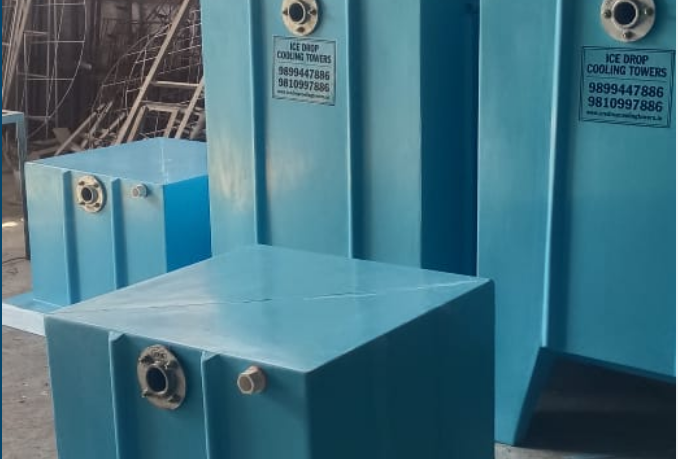
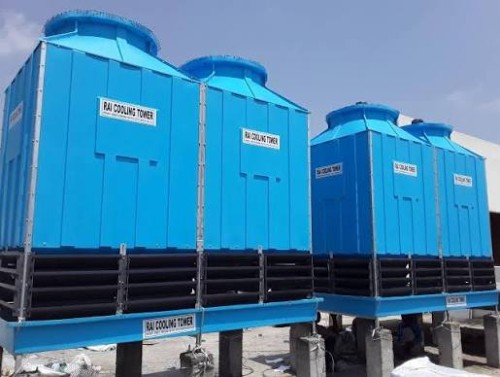
A square FRP cooling tower is an industrial heat-rejection system that uses a square or rectangular outer structure made from fibre-reinforced plastic (FRP). It cools circulating water by bringing it into contact with air, allowing a portion of the water to evaporate and carry heat away.
FRP is valued for its corrosion resistance, relatively low weight, and design flexibility. Square cooling towers are available in different capacities and configurations, making them suitable for various industrial and commercial applications.
Depending on the design, a unit may include a fan, motor, water distribution system, fill media, drift eliminators, louvers, and a collection basin. Each component contributes to cooling performance, water management, or ease of maintenance.
Why Consider Square FRP Cooling Towers in Chandigarh?
Industries need dependable cooling equipment that can handle their process requirements and local operating conditions. Square FRP cooling towers can be worth considering because of their practical construction and adaptability.
Key benefits include:
- Corrosion resistance: FRP generally resists corrosion better than many conventional metals, particularly in environments where moisture is continuously present.
- Space-conscious installation: The square configuration may fit conveniently into designated plant areas, depending on the equipment layout.
- Relatively lightweight construction: FRP can simplify certain handling and installation tasks compared with heavier construction materials.
- Maintenance considerations: The structure typically requires less corrosion-related attention than some metal alternatives, although mechanical and water-system maintenance remains essential.
- Flexible configurations: Manufacturers may offer different capacities, fan arrangements, and component options to suit particular cooling applications.
Actual performance depends on the tower design, water quality, ambient conditions, and maintenance practices. Buyers should compare technical specifications rather than assume every FRP cooling tower offers the same benefits.
6 Factors to Consider Before Choosing an Industrial Cooling Tower
1. Determine the Required Cooling Capacity
Cooling capacity is one of the most important selection criteria. An undersized tower may struggle to maintain the required process-water temperature, while an oversized unit can increase capital costs and may operate inefficiently if poorly controlled.
Before requesting quotations, establish:
- Required circulating water flow rate
- Hot-water inlet temperature
- Desired cold-water outlet temperature
- Design entering-air wet-bulb temperature
- Expected operating hours and heat load
Share these details with the manufacturer. They provide a more reliable basis for equipment selection than choosing a tower based on physical dimensions alone.
2. Check the Thermal Performance Specifications
Two cooling towers with similar dimensions can deliver different results because of variations in fill media, airflow, water distribution, and design conditions.
Ask the supplier to specify the design cooling range, approach to the entering-air wet-bulb temperature, and rated capacity under stated conditions.
The cooling range is the difference between hot-water inlet and cold-water outlet temperatures. The approach is the difference between the cold-water outlet temperature and the entering-air wet-bulb temperature.
A smaller approach generally requires more demanding thermal performance. Confirm that the proposed unit can meet the required conditions during Chandigarh’s relevant seasonal operating conditions.
3. Evaluate FRP Construction and Component Quality
The tower’s service life depends on more than its outer casing. Check the quality of the FRP panels, structural supports, fasteners, water basin, and access arrangements.
Also review the specifications of the motor, fan, gearbox or drive system where applicable, fill media, and drift eliminators. Components should be suitable for the expected operating environment and accessible for inspection or replacement.
Ask for technical documentation, warranty terms, recommended spare parts, and maintenance instructions before finalising the order.
4. Compare Energy Consumption and Operating Costs
A cooling tower uses electricity primarily to operate its fan and associated equipment. Pumps also consume energy as part of the overall cooling-water system, although they may be separate from the tower package.
Compare fan motor power, airflow requirements, control options, and expected operating hours. Variable-frequency drives may help regulate fan speed when the design and operating conditions support their use.
Look beyond the purchase price. Consider electricity consumption, water treatment, blowdown, makeup water, spare parts, and routine servicing when evaluating the total cost of ownership.
5. Assess Water Quality and Maintenance Requirements
Cooling tower water can accumulate dissolved minerals, suspended solids, and biological growth. Poor water management may lead to scaling, corrosion in connected equipment, fouling, and reduced heat-transfer efficiency.
Ask about recommended water-treatment practices, cleaning intervals, basin access, and inspection requirements. A suitable maintenance plan should cover fill media, spray nozzles, drift eliminators, fans, motors, electrical connections, and water distribution.
Where applicable, follow a documented water-management programme to control microbial risks, including Legionella, in accordance with relevant public-health guidance.
6. Check Installation Space and Supplier Support
Before purchasing a square FRP cooling tower in Chandigarh, assess the available installation area, foundation requirements, lifting access, airflow clearances, noise restrictions, and proximity to nearby structures.
Poor placement can restrict airflow or allow warm discharge air to recirculate into the tower, reducing performance. Installation planning should therefore involve qualified cooling-system professionals.
Also check whether the supplier provides installation guidance, commissioning support, technical assistance, warranty service, and access to replacement components. Responsive support can be especially important when cooling is critical to production.
Industries That Use Square FRP Cooling Towers
Square FRP cooling towers may be suitable for several applications, depending on the required capacity and operating conditions.
Common examples include:
- Manufacturing plants and industrial processing facilities
- Plastic moulding and injection moulding operations
- HVAC systems in commercial and institutional buildings
- Chemical and pharmaceutical manufacturing, where the selected design meets process requirements
- Food and beverage facilities, subject to suitable hygiene and system design considerations
- Machinery and equipment cooling circuits
Not every application requires the same tower configuration. Process temperatures, heat load, water quality, air conditions, and environmental requirements should determine the final specification.
How to Compare Cooling Tower Suppliers in Chandigarh
When evaluating suppliers, request a detailed technical proposal rather than relying only on a product brochure or price quotation.
A useful comparison should include:
- Rated thermal performance and design conditions
- Water flow rate and cooling range
- Fan and motor specifications
- FRP construction details and component brands
- Water consumption and maintenance recommendations
- Installation requirements and warranty coverage
- Delivery timelines and after-sales support
Ask whether the quoted performance is supported by recognised testing or rating procedures, such as applicable Cooling Technology Institute (CTI) standards. Verify that the proposed equipment’s rating applies to the actual model and operating conditions.
A supplier who explains technical limitations clearly and provides complete documentation can help reduce the risk of selecting unsuitable equipment.
Frequently Asked Questions
1. What determines the size of a square FRP cooling tower?
The size depends on the heat load, circulating water flow rate, hot- and cold-water temperatures, and entering-air wet-bulb temperature. Installation space and airflow clearance also matter. A manufacturer should calculate the required capacity using the facility’s actual operating conditions instead of relying on a general size chart.
2. Are FRP cooling towers suitable for industrial use?
Yes, FRP cooling towers can serve many industrial applications because FRP offers corrosion resistance and relatively lightweight construction. Suitability depends on the process temperature, chemical exposure, structural design, and operating conditions. Buyers should confirm that the selected materials and components are compatible with their specific application.
3. How can I reduce the operating cost of a cooling tower?
Maintain clean fill media, correct water distribution, appropriate water treatment, and properly functioning fans and motors. Review fan controls and operating schedules where practical. Monitoring water consumption, energy use, and cooling performance can reveal inefficiencies before they lead to higher costs or production interruptions.
4. What should I ask a cooling tower manufacturer before buying?
Request the rated cooling capacity, design wet-bulb temperature, water flow rate, cooling range, power requirements, material specifications, warranty, and maintenance guidance. Also ask about installation support, spare-part availability, and the basis for any performance claims. These details help you compare quotations on a consistent technical basis.
5. Where can businesses find square FRP cooling towers in Chandigarh?
Businesses can approach industrial cooling tower manufacturers and suppliers serving Chandigarh and nearby industrial areas. Shortlist suppliers based on technical capability, documented performance, installation support, and after-sales service. Share your cooling requirements and request a model-specific quotation before deciding.
Conclusion
Choosing the right square FRP cooling tower requires a careful assessment of thermal performance, construction quality, energy use, water management, installation conditions, and supplier support. Businesses evaluating Square FRP Cooling Towers in Chandigarh should prioritise equipment that meets their actual process requirements instead of selecting a model solely on price or dimensions.
Start by documenting your heat load, water flow rate, inlet and outlet temperatures, and site conditions. Then compare technical proposals, warranty terms, and maintenance requirements from Ice Drop Cooling Towers. For additional confidence, request performance documentation and professional installation guidance. These steps can help you select a cooling solution that supports dependable industrial operation and manageable long-term costs.