Pultruded FRP Cooling Towers in Chandigarh: Benefits, Applications and Key Features
Industrial facilities need reliable cooling systems to control process temperatures, protect equipment, and maintain consistent operations. Pultruded FRP Cooling Towers in Chandigarh are increasingly relevant for industries looking for structures that can handle moisture, chemicals, outdoor exposure, and demanding operating conditions. Unlike conventional materials that may require extensive protection against corrosion, Fibre Reinforced Plastic (FRP) offers a combination of strength, corrosion resistance, and relatively low maintenance. Pultruded FRP components can further improve structural consistency because the manufacturing process produces continuous fibre-reinforced profiles.
For faster information, direct chat with us on WhatsApp.
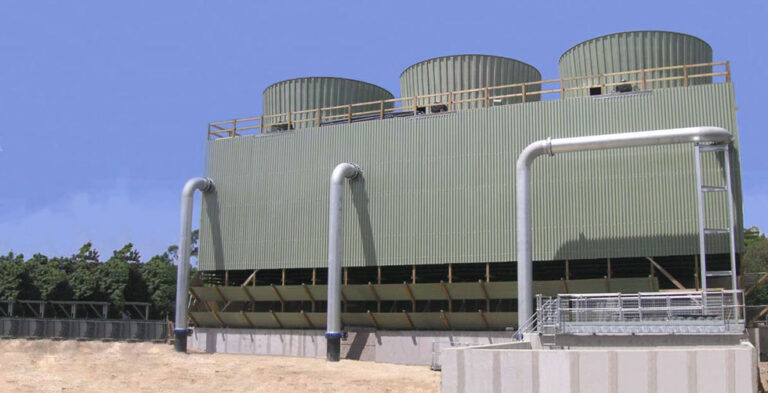
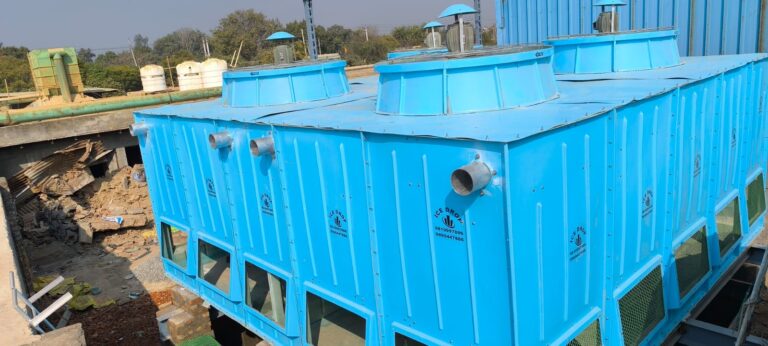
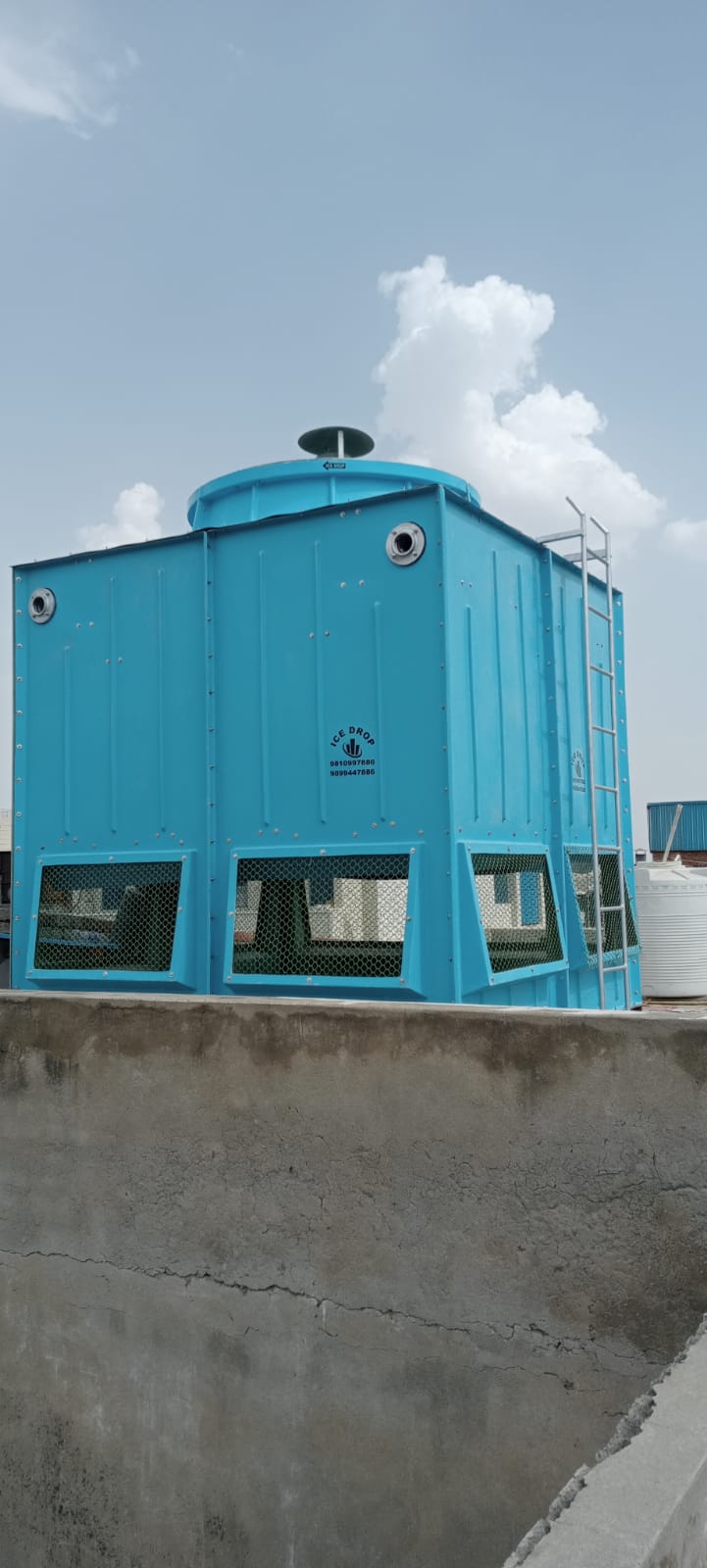
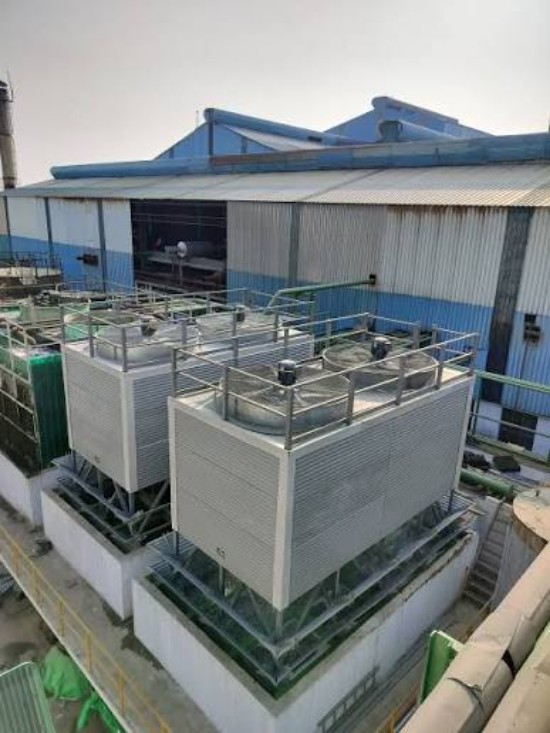
Pultruded FRP Cooling Towers in Chandigarh are industrial cooling systems that use corrosion-resistant, fibre-reinforced plastic structural components. They are suitable for applications exposed to moisture, chemicals, and outdoor conditions. Their key advantages include durability, low maintenance requirements, dimensional consistency, and suitability for a range of industrial cooling environments.
What Are Pultruded FRP Cooling Towers?
Pultruded FRP cooling towers use structural components manufactured through a process called pultrusion. During pultrusion, reinforcing fibres are pulled continuously through a resin system and heated die to form profiles with a consistent cross-section.
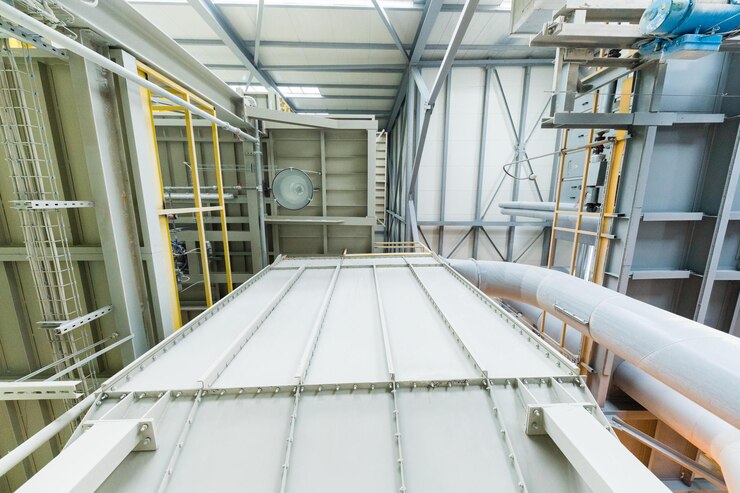
These profiles can be used for structural frames, supports, walkways, platforms, ladders, and other components of a cooling tower system. The resulting material combines glass fibres with a polymer resin, providing a useful balance of mechanical strength and resistance to environmental exposure.
For industrial cooling applications, the material selection matters because cooling towers operate in an environment where water, humidity, chemicals, and temperature variations can affect structural components.
Key Benefits of Pultruded FRP Cooling Towers in Chandigarh
1. Strong Resistance to Corrosion
Cooling towers are continuously exposed to water and humid conditions. Industrial water may also contain chemicals or dissolved substances that can accelerate corrosion in conventional metal structures.
FRP is naturally resistant to many corrosive environments. This makes pultruded FRP profiles useful where prolonged exposure to moisture or aggressive operating conditions is expected.
2. Durable Structural Components
Pultruded FRP profiles are manufactured with continuous reinforcement, which helps provide consistent mechanical properties along the profile. Properly designed FRP structures can provide dependable support for cooling tower components.
However, the actual service life depends on factors such as resin selection, loading, ultraviolet exposure, operating conditions, installation quality, and maintenance.
3. Lower Maintenance Requirements
Because FRP does not rust like conventional steel, routine maintenance can be simpler in suitable applications. Operators still need to inspect the tower regularly for mechanical damage, loose connections, surface deterioration, scaling, biological growth, and other operational issues.
A planned inspection schedule helps identify problems before they affect cooling performance or structural safety.
4. Lightweight Construction
FRP profiles generally weigh less than comparable metallic structural sections. Lower component weight can simplify handling, transportation, and installation.
It can also be useful when replacing or modifying existing cooling tower structures where reducing the load on supporting components is an important consideration.
5. Electrical and Thermal Properties
FRP is non-conductive compared with metals and has relatively low thermal conductivity. These characteristics can be useful in industrial environments where electrical insulation or reduced heat transfer through structural members is desirable.
The suitability of a particular FRP system should always be evaluated against the electrical, thermal, and mechanical requirements of the installation.
Applications of Pultruded FRP Cooling Towers
Pultruded FRP cooling tower structures can be considered for a wide range of industrial environments. Typical applications include:
- Chemical processing facilities
- Pharmaceutical manufacturing units
- Power and utility facilities
- Food and beverage processing
- Textile and manufacturing plants
- HVAC and process cooling systems
- Water and wastewater-related facilities
- General industrial process cooling
The cooling tower design should be selected according to the required heat rejection, water flow, ambient conditions, operating temperature, water chemistry, available space, and system configuration.
Important Features to Consider Before Selection
Choosing a cooling tower involves more than selecting a corrosion-resistant material. Buyers should evaluate the complete system and its expected operating environment.
FRP Grade and Resin Selection
Different resin systems provide different levels of chemical and environmental resistance. The resin should be selected according to the chemicals, temperatures, water quality, and exposure conditions expected at the facility.
Structural Design
The tower frame must be designed for operational loads as well as applicable environmental loads. Wind, equipment loads, access requirements, vibration, and maintenance activities should be considered during engineering.
Cooling Performance
The structural material is only one part of a cooling tower. Buyers should also examine fan selection, fill media, drift eliminators, spray or distribution arrangements, basin design, air movement, and water circulation.
The complete system should be matched to the required cooling duty rather than selected solely on material specifications.
Ease of Inspection and Maintenance
Access platforms, ladders, handrails, inspection points, and service areas should be designed for safe routine maintenance. A practical design can make inspections and component replacement easier throughout the tower’s operating life.
How to Choose a Cooling Tower Supplier in Chandigarh
When comparing cooling tower manufacturers or suppliers, look beyond the quoted price. Ask about the design basis, FRP material specifications, manufacturing process, cooling capacity, components, installation requirements, warranty terms, and after-sales support.
It is also useful to provide the supplier with accurate operating information, including water circulation rate, inlet and outlet temperatures, ambient design conditions, water chemistry, and the intended industrial application.
A supplier with relevant industrial experience can use these details to recommend a configuration suited to the actual process rather than relying on a generic tower specification.
Why Proper Maintenance Still Matters
FRP can reduce corrosion-related maintenance, but it does not make a cooling tower maintenance-free. Regular inspection remains essential.
Operators should monitor water quality, inspect structural members, check fans and motors, examine fill and eliminators, clean deposits, and look for unusual vibration or changes in cooling performance. Water treatment should also be managed appropriately to control scaling, corrosion of other components, and biological growth.
Early identification of mechanical or operational issues can help prevent avoidable downtime.
Frequently Asked Questions
What are the main advantages of pultruded FRP cooling towers?
The main advantages include corrosion resistance, relatively low structural weight, consistent pultruded profiles, and reduced susceptibility to rust. They can be particularly useful in wet or chemically exposed environments. However, performance and durability depend on the complete design, material specification, installation, operating conditions, and maintenance practices.
Are FRP cooling towers suitable for chemical industries?
Yes, FRP cooling tower components can be suitable for many chemical-processing environments because selected FRP materials can resist a range of corrosive substances. The specific resin and reinforcement system should be matched to the chemicals, concentration, temperature, and exposure conditions at the facility before installation.
What information is needed to select an industrial cooling tower?
Important information includes required heat rejection, circulating-water flow rate, hot-water and cold-water temperatures, ambient design conditions, water chemistry, installation space, noise considerations, and operating schedule. Providing accurate process data allows the cooling tower supplier to size and configure the system appropriately.
How should a pultruded FRP cooling tower be maintained?
Routine maintenance should include structural inspections, cleaning, water-quality management, fan and motor checks, fill inspection, drift eliminator inspection, and checks for unusual vibration or leakage. Maintenance frequency should reflect the tower design, operating environment, water treatment program, and manufacturer’s recommendations.
Where can industries find pultruded FRP cooling towers in Chandigarh?
Industries in Chandigarh and nearby industrial areas can approach specialized cooling tower manufacturers and suppliers for system evaluation and configuration. Before choosing a supplier, businesses should compare technical specifications, material quality, cooling requirements, installation support, maintenance provisions, and relevant industrial experience.
Conclusion
Selecting Ice Drop Cooling Towers requires consideration of both cooling performance and the environment in which the equipment will operate. Pultruded FRP Cooling Towers in Chandigarh can be a practical option for industries that need corrosion-resistant structural components, lightweight construction, and consistent performance in demanding conditions. However, the right choice depends on factors such as heat load, water flow, operating temperatures, water chemistry, structural requirements, and maintenance needs. Before making a purchase, businesses should discuss their process requirements with an experienced cooling tower supplier and compare technical specifications carefully. A properly engineered and maintained FRP cooling system can support dependable industrial cooling while helping simplify long-term structural maintenance.