Maintenance Tips to Extend the Life of a Square FRP Cooling Tower
Industrial cooling towers operate under demanding conditions. Continuous water circulation, heat, moisture, chemicals, dust, and outdoor exposure can gradually affect components if maintenance is neglected. For businesses considering or operating Square FRP Cooling Towers in Chandigarh, a consistent preventive maintenance routine can help maintain cooling performance, reduce unexpected downtime, and extend equipment service life. A good maintenance program does not need to be complicated. Regular inspections, proper water treatment, cleaning, lubrication, and timely component replacement can prevent many common problems before they become costly repairs.
For faster information, direct chat with us on WhatsApp.
Regular maintenance can extend the operating life of a Square FRP Cooling Tower by keeping water quality under control, cleaning fill and nozzles, inspecting the fan and motor, checking structural components, and monitoring vibration and temperature. Preventive inspections also help identify corrosion, scaling, biological growth, leaks, and mechanical wear before they affect cooling performance.
Why Regular Cooling Tower Maintenance Matters
A cooling tower removes unwanted heat from circulating water by transferring heat to the surrounding air. Over time, contaminants can accumulate inside the system and reduce heat-transfer efficiency.
For example, mineral deposits can restrict water flow, while dirt can obstruct air movement through the fill. Mechanical components can also experience wear because fans, motors, shafts, bearings, and gearboxes often operate for extended periods.
Therefore, preventive maintenance offers several practical advantages:
- Helps maintain consistent cooling performance
- Reduces unplanned equipment shutdowns
- Supports efficient airflow and water distribution
- Identifies mechanical wear at an early stage
- Helps control scaling and biological growth
- Can reduce long-term repair and replacement costs
- Improves operational reliability
FRP construction also provides useful resistance to moisture and many environmental conditions. However, FRP cooling towers still require proper inspection and care.
Essential Maintenance Tips for Square FRP Cooling Towers in Chandigarh
Local environmental conditions can influence maintenance requirements. Dust, seasonal temperature changes, water quality, and operating conditions should all be considered when creating a maintenance schedule for Square FRP Cooling Towers in Chandigarh.
1. Inspect the FRP Structure Regularly
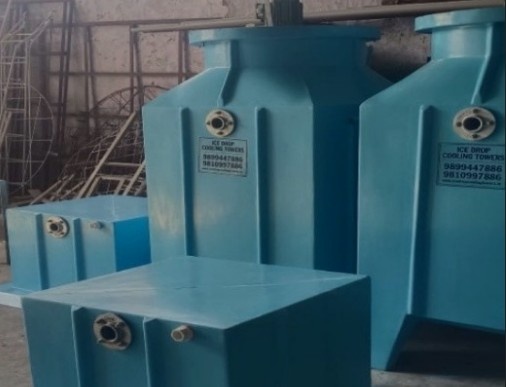
Begin with a visual inspection of the tower body, panels, basin, supports, access areas, and other FRP components.
Look for cracks, unusual deformation, loose connections, surface damage, leaks, or signs of deterioration. Although FRP does not rust like conventional steel, mechanical damage and prolonged exposure to unsuitable chemicals can still affect its condition.
Address small defects promptly instead of allowing them to develop into larger structural problems.
2. Keep the Cooling Tower Fill Clean
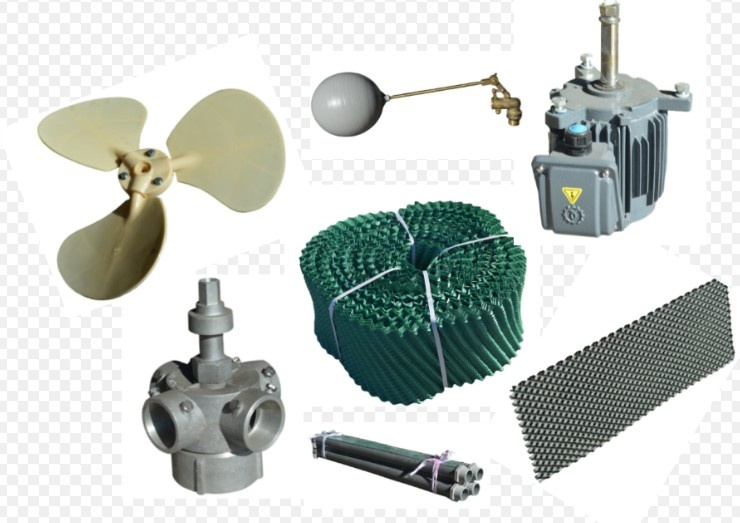
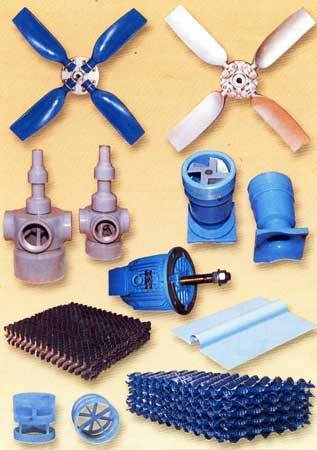
The fill provides a large surface area for heat and mass transfer. Dirt, algae, sludge, scale, and other deposits can block passages and restrict airflow or water distribution.
Inspect the fill at appropriate intervals and clean it according to the manufacturer’s recommendations. Avoid aggressive cleaning methods that could damage the fill material.
If the fill shows significant deterioration, blockage, or deformation, professional assessment may be necessary.
3. Check Spray Nozzles and Water Distribution
Proper water distribution is essential for effective heat transfer. Blocked or damaged nozzles can create dry areas in the fill and reduce tower efficiency.
During inspections, check for:
- Blocked spray nozzles
- Uneven water distribution
- Damaged nozzle components
- Sediment accumulation
- Abnormal water flow
Cleaning the water distribution system regularly can help the tower perform more consistently.
Maintain Water Quality
Water chemistry plays a major role in cooling tower performance and component life. Poor water treatment can encourage scale formation, corrosion, and microbiological growth.
Monitor parameters according to your water-treatment program and equipment requirements. Depending on the installation, this may include monitoring conductivity, pH, hardness, and microbiological conditions.
A suitable treatment program may include filtration, controlled blowdown, scale and corrosion management, and microbiological control.
However, chemical treatment should always follow the recommendations of qualified water-treatment professionals and the cooling tower manufacturer.
4. Inspect the Fan and Motor Assembly
The fan system is critical for moving air through the cooling tower. Inspect fan blades for cracks, damage, imbalance, or unusual movement.
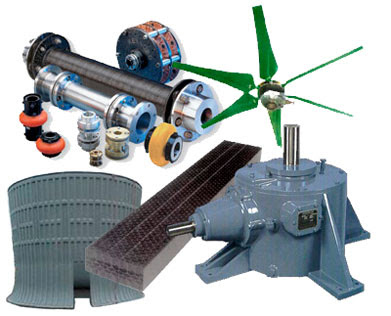
Also check the motor, drive assembly, belts where applicable, bearings, couplings, and fasteners.
Pay attention to warning signs such as:
- Excessive vibration
- Unusual noise
- Overheating
- Reduced airflow
- Irregular fan rotation
If vibration suddenly increases, stop and investigate the cause rather than continuing operation without assessment.
5. Lubricate Mechanical Components Correctly
Bearings and other moving components may require periodic lubrication. However, lubrication schedules vary according to the component, operating environment, and manufacturer’s specifications.
Using too little lubricant can increase friction and wear. On the other hand, over-lubrication can also create problems.
Always use the correct lubricant and follow the equipment manufacturer’s recommended quantity and interval.
6. Clean the Cold-Water Basin
The basin collects cooled water before it returns to the process or HVAC system. Sediment, leaves, dirt, scale, and biological material can accumulate here.
Regular basin cleaning helps maintain water circulation and reduces the risk of debris entering pumps and other downstream equipment.
During cleaning, inspect the basin for leaks, damaged surfaces, blocked outlets, and unusual deposits.
Create a Preventive Maintenance Schedule
Instead of relying only on repairs after a problem occurs, establish a planned maintenance schedule.
A practical approach could include:
Daily or routine checks
- Water level
- Unusual noise or vibration
- Fan operation
- Visible leaks
- General operating condition
Weekly or periodic checks
- Water distribution
- Basin cleanliness
- Nozzle condition
- Fan and drive components
- Water-treatment parameters
Monthly or scheduled inspections
- Structural components
- Motor and bearings
- Electrical connections
- Fill condition
- Fasteners and mechanical assemblies
Annual or major service
- Detailed mechanical inspection
- Thorough cleaning
- Performance assessment
- Component condition review
- Water-treatment program evaluation
The exact frequency should depend on operating hours, water quality, environmental conditions, tower design, and manufacturer recommendations.
Avoid These Common Cooling Tower Maintenance Mistakes
Even well-designed cooling systems can experience premature problems when maintenance practices are inconsistent.
Avoid:
- Ignoring abnormal vibration or noise
- Allowing scale to build up
- Running with blocked nozzles
- Delaying replacement of damaged components
- Using unsuitable cleaning chemicals
- Neglecting water-treatment controls
- Overlooking electrical and mechanical inspections
- Performing maintenance without proper safety procedures
Maintenance personnel should also follow appropriate lockout/tagout procedures and site safety requirements before working on fans, motors, pumps, electrical equipment, or other moving components.
When Should You Consider Professional Inspection?
Routine operator checks are valuable, but some issues require trained technical assessment. Consider professional inspection when the tower develops persistent vibration, unusual noise, recurring scaling, poor cooling performance, structural damage, or unexplained increases in operating costs.
A professional inspection can also be useful when upgrading an existing system, replacing major components, or evaluating whether the tower still meets the cooling requirements of the facility.
For businesses operating Square FRP Cooling Towers in Chandigarh, working with an experienced cooling tower supplier or service professional can make preventive maintenance more systematic and reliable.
How Proper Maintenance Improves Cooling Tower Performance
Maintenance is not simply about preventing breakdowns. It also helps the cooling tower operate closer to its intended design conditions.
Clean fill supports effective heat transfer. Unblocked nozzles improve water distribution. Properly maintained fans support airflow, while good water chemistry helps reduce deposits and biological fouling.
As a result, preventive maintenance can contribute to stable cooling performance and more predictable plant operations.
The most effective strategy combines mechanical maintenance, water treatment, cleaning, inspection, and performance monitoring rather than focusing on a single component.
Conclusion
A Square FRP Cooling Tower can provide dependable industrial cooling when operators maintain it consistently and according to the manufacturer’s recommendations. Regular cleaning, water-quality control, nozzle inspection, fan and motor checks, lubrication, and structural inspections can help prevent avoidable performance problems. A planned maintenance schedule also makes it easier to identify wear before it causes costly downtime. For facilities using Square FRP Cooling Towers in Chandigarh, maintenance should account for operating conditions, water quality, seasonal changes, and the specific tower design. If you are installing a new system or need guidance on maintaining an existing one, connect with IceDrop Cooling Towers to evaluate your requirements and establish an appropriate maintenance plan.