Pultruded FRP Cooling Towers in Sahibabad: Benefits and Applications
Industrial facilities need reliable cooling systems to remove excess heat from equipment and processes. The right cooling tower can support stable operations, manage water temperatures, and help control maintenance requirements. For businesses exploring Pultruded FRP Cooling Towers in Sahibabad, understanding the material, construction process, and practical benefits is an important first step. Pultruded fibre-reinforced plastic (FRP) components are used in cooling tower structures because they can offer a useful combination of strength, corrosion resistance, and relatively low weight. However, the suitability of a cooling tower depends on the operating environment, heat load, water quality, and overall system design.
For faster information, direct chat with us on WhatsApp.
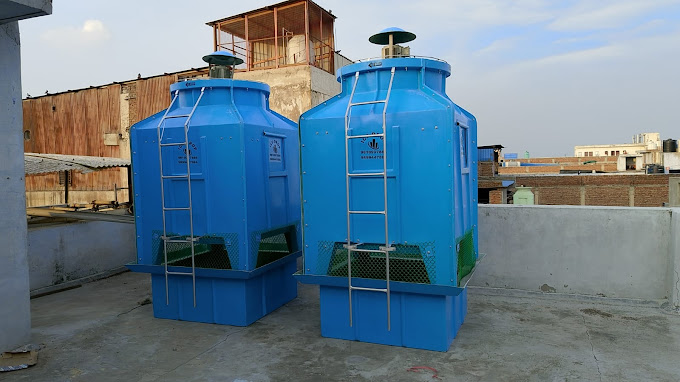
Pultruded FRP cooling towers use fibre-reinforced polymer profiles to provide lightweight, corrosion-resistant structural support in industrial cooling systems. Their benefits can include reduced rust-related maintenance, design flexibility, and easier component handling. In Sahibabad, businesses should evaluate cooling capacity, structural quality, operating conditions, and supplier support before selecting a suitable cooling tower.
What Are Pultruded FRP Cooling Towers?
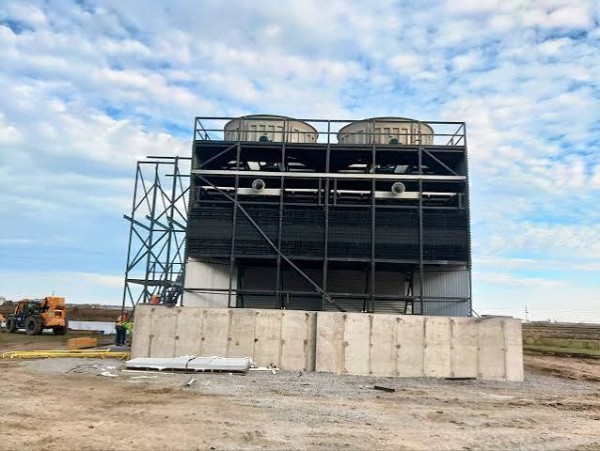
Pultruded FRP cooling towers use structural components made from fibre-reinforced polymer profiles manufactured through a process called pultrusion. During this process, reinforcing fibres are drawn through a resin bath and a heated shaping die to create profiles with a consistent cross-section.
These profiles can be used for structural members such as beams, supports, and frames in cooling tower assemblies. The finished structure is designed to support the tower’s components and withstand the environmental conditions associated with industrial cooling.
A cooling tower typically removes heat by bringing warm process water into contact with moving air. A portion of the water evaporates, carrying heat away, while the cooled water returns to the industrial system.
Pultruded FRP structural components are different from the tower’s heat-transfer components, such as fill media, drift eliminators, fans, and water distribution systems. Each component must be selected to suit the tower’s intended performance and operating conditions.
Key Benefits of Pultruded FRP Cooling Towers
1. Resistance to Corrosion
Corrosion can be a concern in industrial environments where cooling towers are exposed to moisture, water treatment chemicals, and outdoor weather. Unlike conventional steel, FRP does not rust in the same way.
This property can make pultruded FRP profiles suitable for installations where corrosion resistance is an important consideration. However, chemical compatibility depends on the resin system, reinforcement, temperature, and specific chemicals present. Buyers should confirm these details with the manufacturer.
2. High Strength-to-Weight Ratio
Pultruded FRP profiles combine reinforcing fibres with a polymer resin to create lightweight structural components. Their strength-to-weight ratio can help reduce the structural weight of a cooling tower.
Lower component weight may simplify handling and installation. Nevertheless, the completed tower still requires proper structural design, secure connections, and suitable foundations or supports.
3. Reduced Routine Maintenance
FRP profiles do not require the same rust-prevention measures as unprotected carbon steel. This can reduce certain maintenance tasks, especially in environments where corrosion would otherwise require frequent inspection, coating, or repair.
However, FRP cooling towers are not maintenance-free. Fans, motors, bearings, pumps, fasteners, water distribution systems, and other components need routine inspection and servicing.
4. Durability in Outdoor Environments
Cooling towers are often exposed to sunlight, rain, changing temperatures, and humid conditions. Suitable FRP profiles can perform well in these environments when they are correctly specified and installed.
Buyers should ask about ultraviolet (UV) resistance, resin selection, structural load ratings, and the manufacturer’s recommended inspection schedule. These factors influence long-term performance.
5. Design Flexibility
Pultruded profiles are available in different shapes and sizes, allowing manufacturers to design structural frameworks for particular cooling tower configurations.
This flexibility can be useful when planning industrial installations with specific space constraints, equipment arrangements, or maintenance access requirements. The design must still account for wind loads, operating loads, vibration, and relevant engineering requirements.
Industrial Applications of Pultruded FRP Cooling Towers
Pultruded FRP cooling tower structures may suit a range of industrial applications, depending on the design and operating conditions.
- Chemical processing plants: Corrosion-resistant structural materials can be valuable where moisture and certain chemical exposures are present.
- Manufacturing facilities: Cooling towers help remove heat from production equipment and process water circuits.
- HVAC systems: Commercial and industrial buildings may use cooling towers to reject heat from water-cooled air-conditioning systems.
- Power and utility operations: Cooling towers support heat rejection in suitable utility and auxiliary cooling applications.
- Pharmaceutical and process industries: Cooling systems may serve manufacturing equipment, provided the design meets the site’s water-quality, hygiene, and operational requirements.
The required cooling capacity, water temperature range, ambient wet-bulb temperature, and available installation space should be assessed before choosing a tower.
How to Choose the Right FRP Cooling Tower in Sahibabad
Selecting a cooling tower involves more than comparing the initial purchase price. Businesses evaluating suppliers in Sahibabad and the wider Ghaziabad industrial area should consider the following points.
Evaluate Cooling Capacity
Confirm the heat load the tower must remove, the required inlet and outlet water temperatures, and the design ambient conditions. A qualified supplier can use this information to recommend an appropriately sized unit.
Check Structural Quality
Ask about the pultruded profiles, resin system, connections, load calculations, UV protection, and applicable design standards. Technical documentation is more useful than relying on broad claims about strength or durability.
Review the Complete Equipment Package
Determine whether the quotation includes the fan and motor, fill media, drift eliminators, water distribution system, basin, piping connections, controls, and installation. Scope can vary between suppliers, so compare like-for-like quotations.
Consider Maintenance and Spare Parts
Check whether replacement components are readily available and whether the supplier provides installation guidance, troubleshooting, and after-sales support. Access to service and spare parts can influence the practical cost of ownership.
Compare Total Operating Costs
The purchase price is only one part of the overall expense. Consider electricity consumption, water use, treatment requirements, maintenance, replacement parts, and expected service life. Actual costs depend on system design and operating conditions.
Why Work With an Experienced Cooling Tower Supplier?
An experienced supplier can help translate the plant’s cooling requirements into an appropriate equipment specification. This includes assessing the heat load, water circulation rate, ambient conditions, installation constraints, and maintenance access.
For industrial buyers in Sahibabad, it is sensible to request a detailed technical proposal rather than selecting a unit based on material type alone. The proposal should clearly state the cooling performance, structural materials, equipment inclusions, operating requirements, warranty terms, and installation responsibilities.
Before placing an order, confirm that the proposed equipment suits the site’s process conditions and that its performance assumptions are clearly documented.
Frequently Asked Questions
What are pultruded FRP cooling towers used for?
They are used in industrial and commercial cooling systems where heat must be removed from circulating water. Pultruded FRP profiles can form structural parts of the tower, while fans, fill media, and water distribution components perform other cooling functions. The correct configuration depends on the application and required cooling capacity.
Are FRP cooling towers better than steel cooling towers?
Neither material is automatically better for every application. FRP offers corrosion resistance and a relatively low structural weight, while steel may be suitable for designs requiring different structural properties or site-specific solutions. The best choice depends on the environment, loads, budget, maintenance plan, and engineering requirements.
How do I choose a pultruded FRP cooling tower manufacturer in Sahibabad?
Compare manufacturers based on technical capability, documented cooling performance, structural design, material specifications, warranty terms, and after-sales support. Request a quotation based on your actual heat load and operating conditions. Confirm what equipment is included and ask for relevant drawings and technical documentation before making a decision.
Do pultruded FRP cooling towers require regular maintenance?
Yes. Although FRP structural profiles resist rust, the complete cooling tower requires regular inspection. Maintenance may include checking fans, motors, bearings, fasteners, fill media, drift eliminators, water distribution, basin cleanliness, and water treatment. Follow the manufacturer’s maintenance schedule and site-specific safety procedures.
What information is needed to get a cooling tower quotation?
Prepare the required heat rejection capacity, circulating water flow rate, inlet and outlet water temperatures, site location, ambient design conditions, available space, water quality, and preferred installation arrangement. Also specify any operating constraints. These details help the supplier recommend a suitable tower and provide a more meaningful quotation.
Conclusion
Pultruded FRP Cooling Towers in Sahibabad can be a practical option for industrial facilities seeking corrosion-resistant structural materials, design flexibility, and manageable maintenance requirements. However, the right solution depends on cooling capacity, water quality, environmental exposure, structural loads, and operating costs. Before choosing a supplier, compare technical specifications, equipment inclusions, warranty coverage, and after-sales support rather than focusing only on the initial price. Businesses should also confirm that the proposed tower meets their process requirements and installation constraints. Contact Ice Drop Cooling Towers to discuss your industrial cooling needs, review suitable options, and request a technical proposal based on your site’s operating conditions.